Field Guide / Deer
Cold Weather Bucks: How to Stay Warm for Late Season Whitetail Hunting





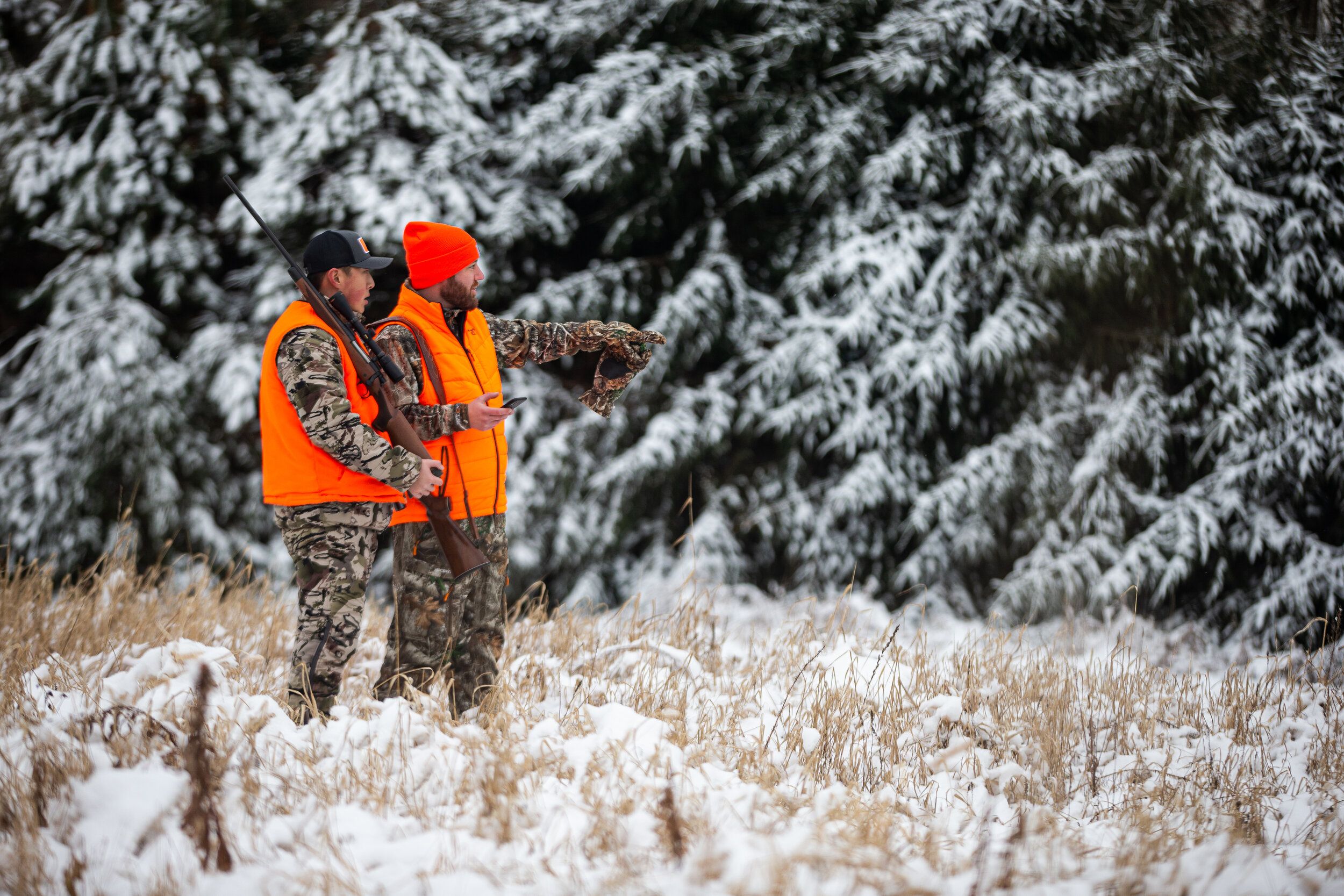
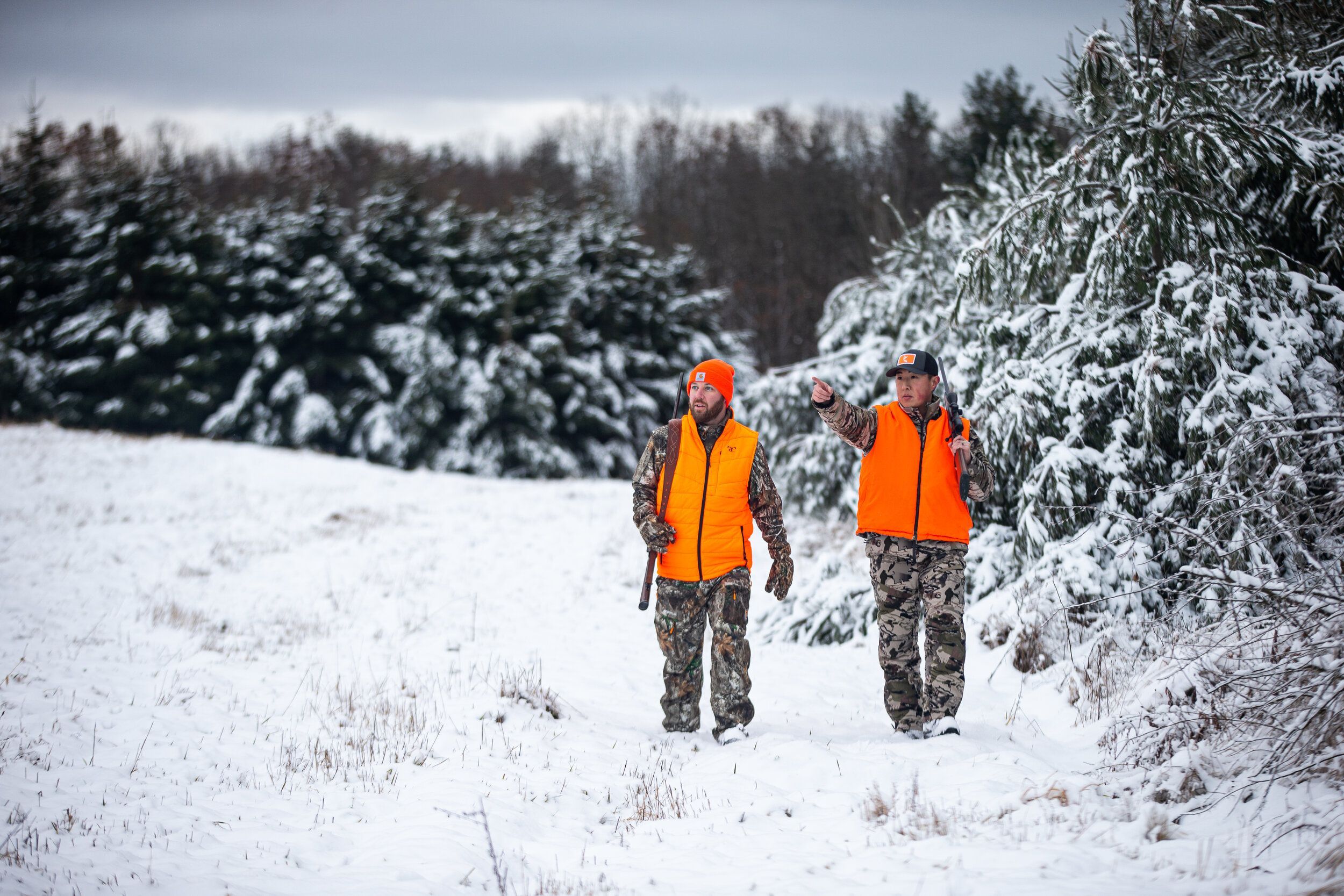
More often than not, the late season offers some of the best hunting opportunities of the year. Layering with the right gear (including covering your head and neck), having the right gear to keep you warm, and adjusting your hunting strategies makes this time of year more successful in the field.
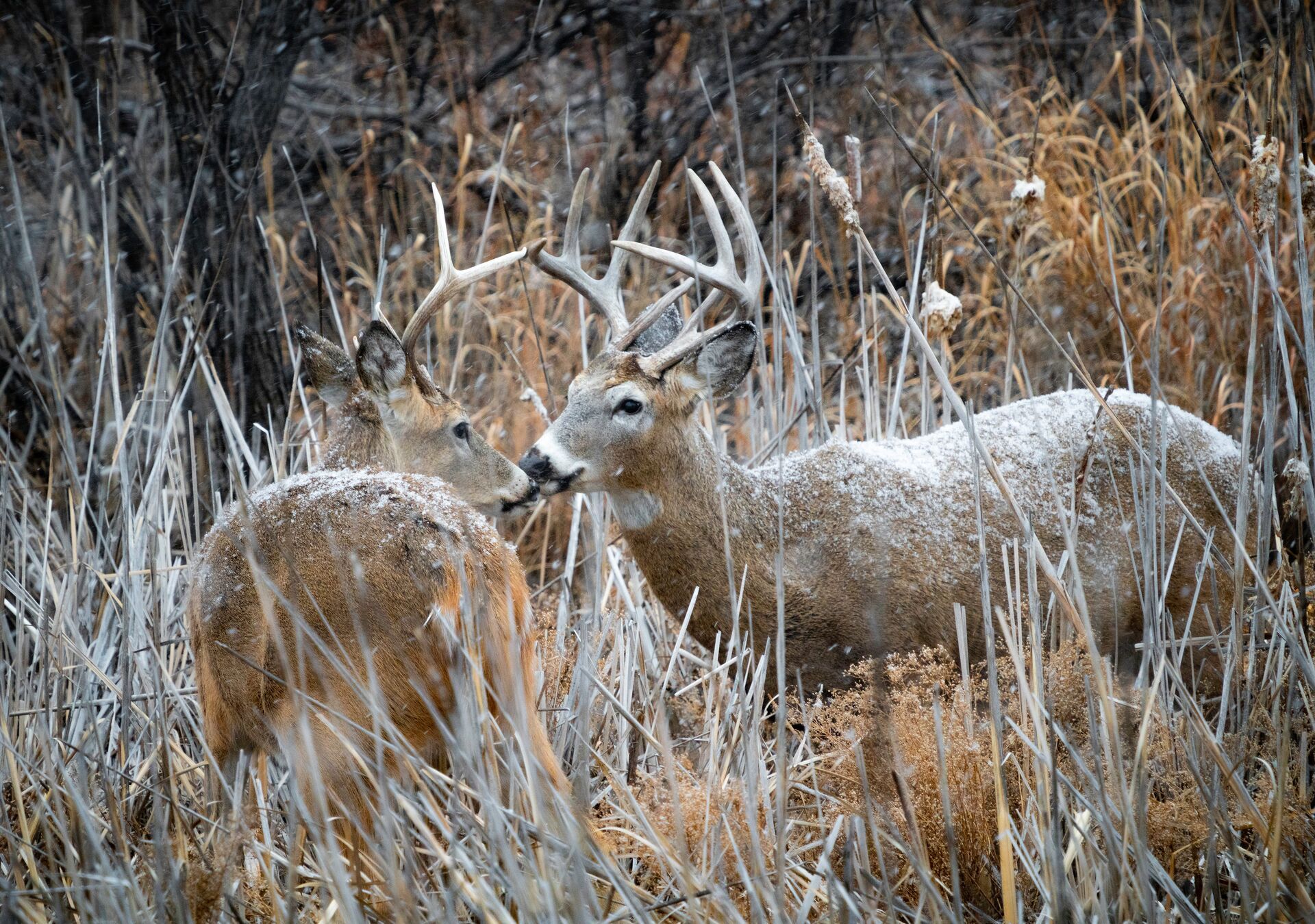
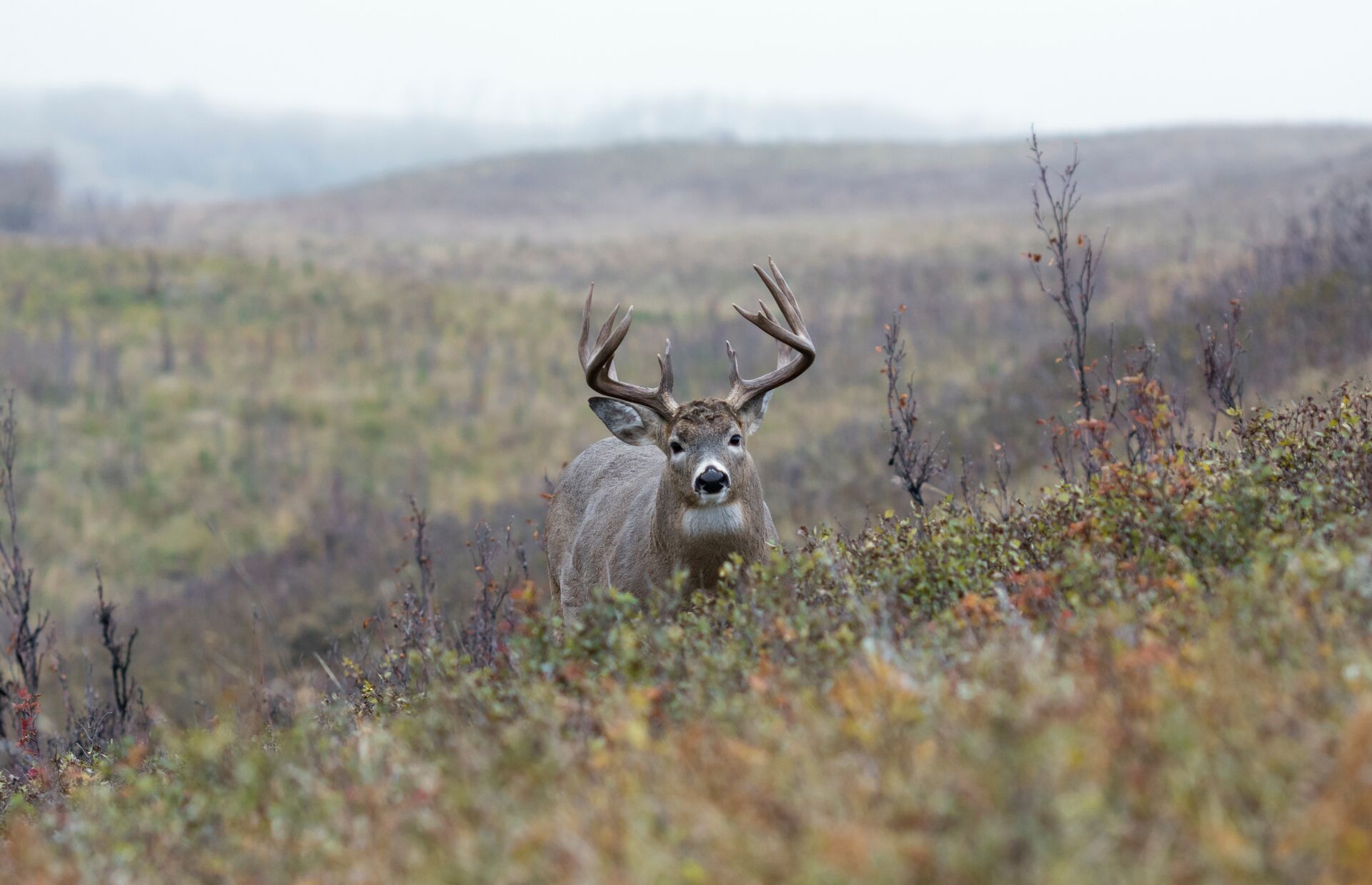
Big bucks that survived both archery and rifle season are often forced into the open to feed midday, and all you have to do is prepare and be ready. However, preparing for a day in the field when temperatures have dropped into the sub-zero range is not as easy. With the wind chilling your bones, it is often hard to get yourself out there. However, that is part of the fun of harvesting a winter whitetail.
As hunters, our desire for good hunting temperatures is strong, but our desire to harvest a monster whitetail can be stronger. With that said, we have twelve simple tips for how to stay warm during late season whitetail hunting!
Updated December 5, 2025
Clothing (from Head to Toes)
The first thing to do is dress warmly. However, you also need to be able to adjust if the weather warms up midday (or you start sweating while in the stand). Let's talk about clothing first, specifically layers and the pieces you need for a cold-weather hunt.
1. Layers, Layers, Layers
No single layer, no matter what it is made of, is as effective as wearing multiple layers of the appropriate base, main, outer, and overclothing. Layering's greatest benefit is its ability to trap air, which is then warmed and provides additional insulation. You can also remove (or add) layers as the temps change throughout your hunt.
Build from the inside out:
- Base Layer: Start with merino wool or synthetic fabric to wick sweat away from skin and prevent chill.
- Mid Layer (Insulation): This is your hoodie. Choose fleece, down, or a synthetic fill (like PrimaLoft) to trap body heat.
- Outer Layer: Add your windproof and waterproof (or highly resistant) shell to block rain, wind, and snow while allowing breathability.
- Coveralls or Bibs: Opt for an insulated bib for full-body warmth and protection, often better than just a heavy jacket.
Check out some of our late-season clothing and gear recommendations, featuring some of John Dudley's favorites. You can also save on some of your late-season gear with Gear Discounts through your HuntWise Pro or Elite subscription.
2. Cover Your Head, Neck, and Face
Most body heat is lost through the head, so protecting your cranium is vital. In addition, by protecting your neck and face, you will not only save additional heat, but your comfort level will increase while the chance for frostbite will decrease.
Although a knit beanie and scarf will do the trick, many hunters prefer a one-piece balaclava mask.
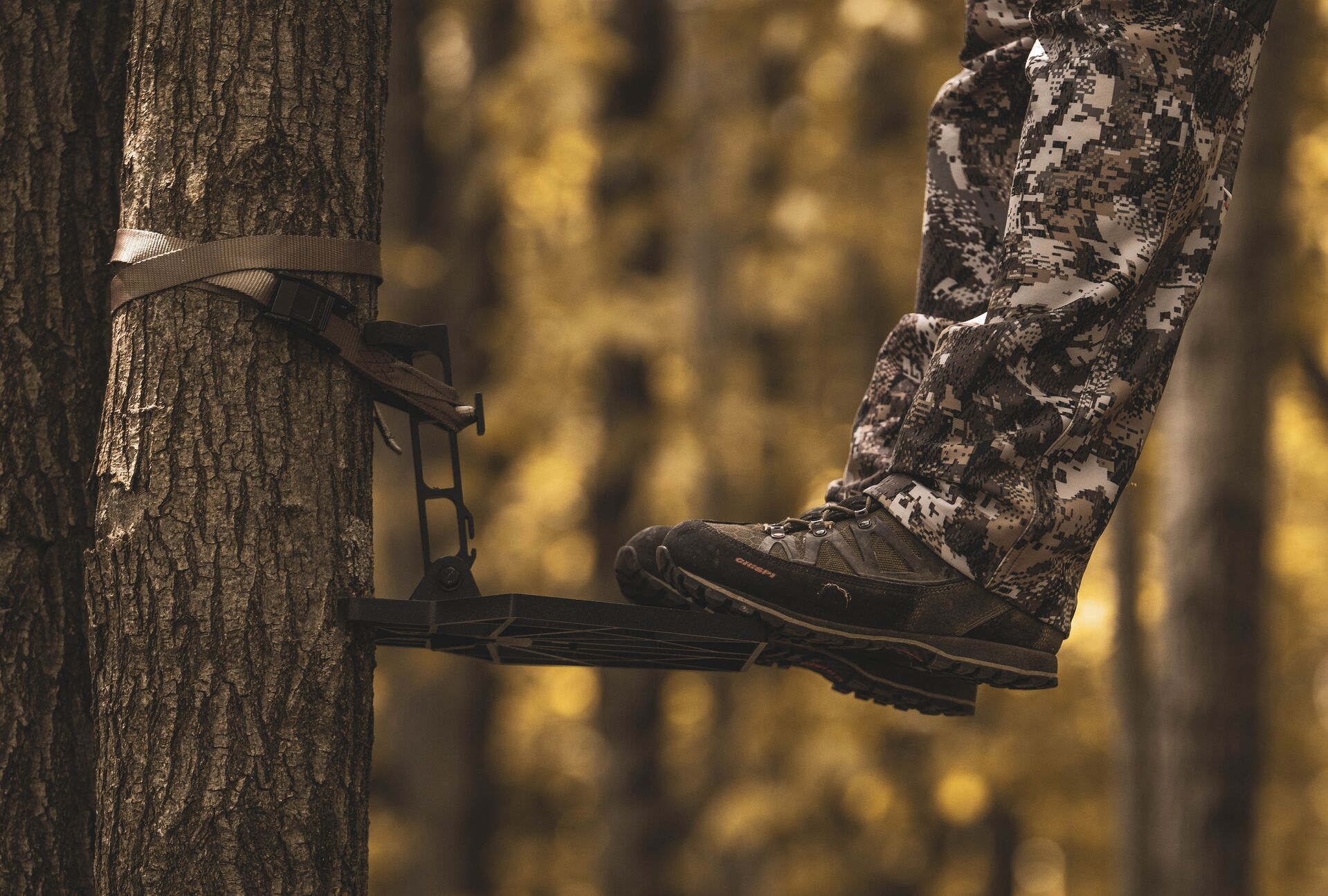
3. Wear Good Footwear
The first step to protecting your feet when hunting deer in the winter is to cover them in quality socks and boots. Cold feet are not fun, so season-appropriate socks and boots are essential.
Invest in some insulated and waterproof boots. Even if you do not plan on getting your feet wet, or the weather is looking cold, not wet, it is much better to be prepared.
4. Use Boot Covers
The second step to protecting your feet can be found in boot covers.
We all know cold feet are the one thing that will send us packing. So, after you invest in quality late-season boots and top-notch socks, buy some boot covers. They are lightweight and easy to pack.
Once you are on the stand, you can slip the covers right over your boots and prepare for an all-day sit.
5. Always Have Rain Gear On Deck
Sticking a quality set of lightweight rain gear in your bag can be a day saver during the late season, especially when the wind picks up.
Not only is rain gear waterproof, but it also blocks the wind well. If you are concerned about noise, you can place the rain gear under a final outer layer.
6. Invest in Wool Clothing
We mentioned it earlier, but nothing beats real wool. Even with all the synthetic blends and lightweight thermals available, few can match wool's natural insulating ability, which is also naturally water-resistant.
Unfortunately, fewer and fewer hunters are willing to put up with the lack of comfort 100% wool can present, which means it is harder and harder to find. The good news is that many manufacturers have recognized the benefits of wool and are now offering many blends that provide protection without the itch.
Gear and Accessories
With your clothing sorted, let's talk about what to bring with you into the stand.
7. Pack Warm Liquids
When the layers, the carbs, and the wind-blocking blind aren't cutting it, try a hot drink.
Granted, don't drink so much that you have to cut your hunt short due to a bathroom break, but try to raise your core temperature periodically throughout the day. Carrying a thermos of your favorite hot beverage can provide a little pick-me-up just as the afternoon lull threatens to force you back to the cabin.
Whether that is coffee, tea, or hot chocolate, find your drink that will do the trick and ease your sit.
8. Bring Warm Weather Gear
Even with all the right clothing, you may still feel the sting of the cold. To stay out as long as you can, a few warm-weather gear items can help you stay warm to wait out that cold weather buck.
- Hand or Body Warmers: Cold fingers can cause you to miss a shot! Bring adhesive packs for your lower back, chest, or to put inside gloves and boots. Consider something like ThermaCare wraps that offer long-lasting core heat.
- Hand Muff: Again, prioritize keeping your hands and fingers warm so they're ready to take the shot. A hand muff is a fleece-lined pocket that keeps hands warm while you wait.
- A Seat Pad: You might be amazed at how much warmer you are from simply sitting on a pad rather than the cold stand surfaces.
As you consider the right mix of gear for warmth, remember to also pack light. You'll need to haul everything in and out with you, and bulk can be loud and cumbersome when trekking into your stand.
Hunting Strategies
You're dressed for warm-weather success, and you've got the gear to help you stay out for as long as it takes. Here are some strategies to help you maximize your time in the field for late season whitetail hunting.
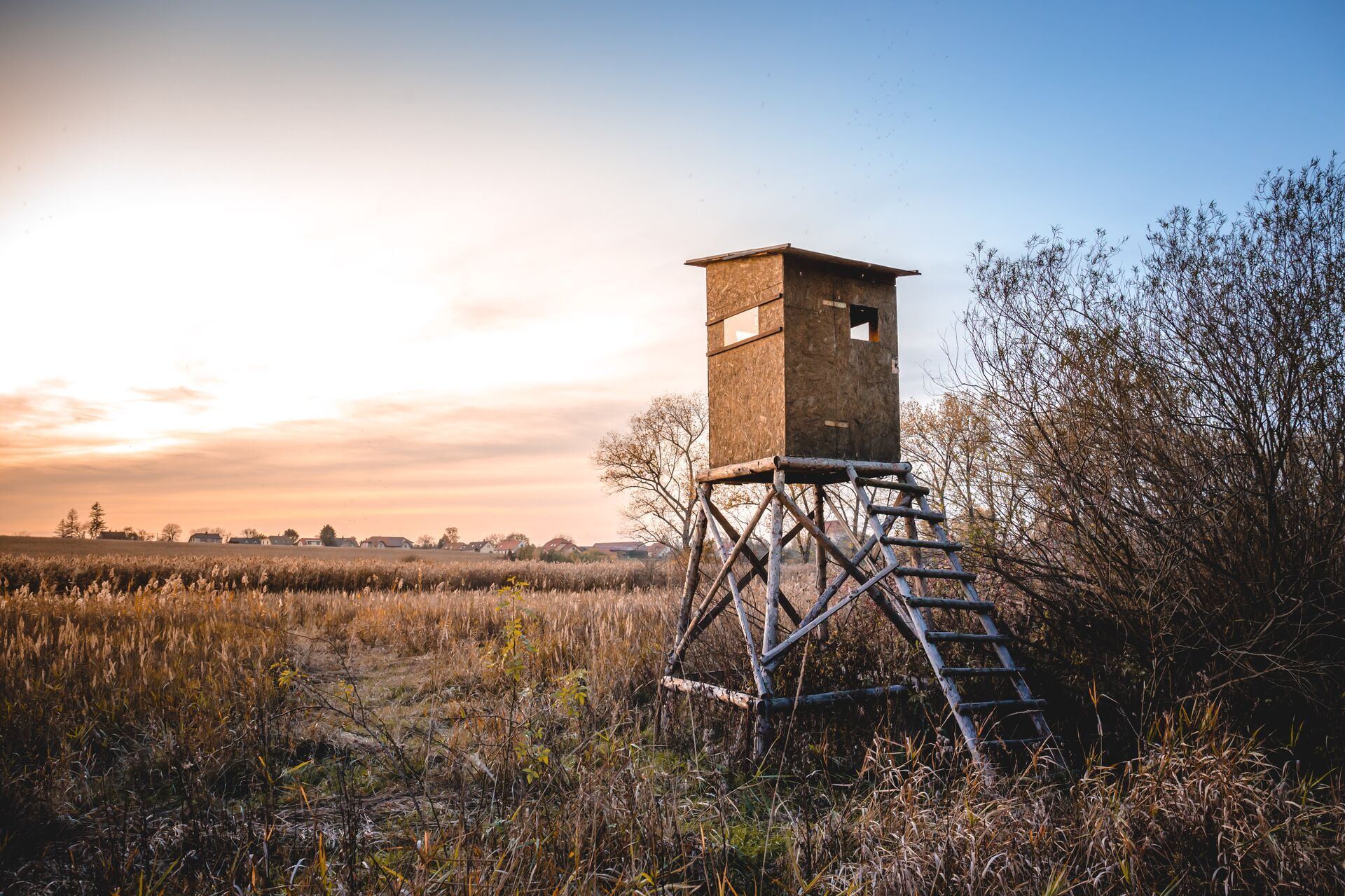
9. Utilize Tower Blinds
Although ladder stands are often a game-changer during the regular archery season, tower blinds are crucial for those cold winter days.
It is nice to have the ability to move ladder stands as needed and hunt several properties without investing in multiple stands. However, the ability to get out of the weather may be the only thing that keeps you on the stand until your trophy arrives.
10. Don't Skip Breakfast
You may want to sit all day and think skipping breakfast will help you catch an extra 15 winks. However, it can actually lead to a shorter trip during cold weather.
Like a home furnace, you need fuel to heat your body. Take the extra five minutes or wake up a little early to eat breakfast and provide yourself with the energy to stay awake and warm.
Eat well, get in the carbohydrates, and pack a snack and water to refuel during the day. Nothing is worse than leaving mid-day and missing a trophy buck because you are hungry.
11. Avoid Sweating (Stay Dry)
Seems silly, right? Well, the reason for minimizing sweating is simple: Sweat equals moisture, and moisture freezes in cold temperatures.
While your multiple layers, sub-zero boots, and wool socks may appear to barely keep you functioning after a couple of hours on the stand, they will make you hotter than a steel mill furnace during your hike-in. Once this happens, not only will you be uncomfortably damp for the rest of the hunt, but that dampness will quickly rob you of vital heat once you settle into your stand.
As you hike in, consider removing your hat, opening your jacket, and even removing a layer or two until you finish the hike. Then bundle up again as you sit in the blind and watch for that buck to wander through.
12. Hunt Thermal Cover
Use HuntWise mapping layers to find good thermal cover before setting up your tower blind or stand. Target bedding areas with conifers (pines, cedars) for a few degrees of natural warmth.
Use HuntWise and the Right Gear to Hunt This Winter
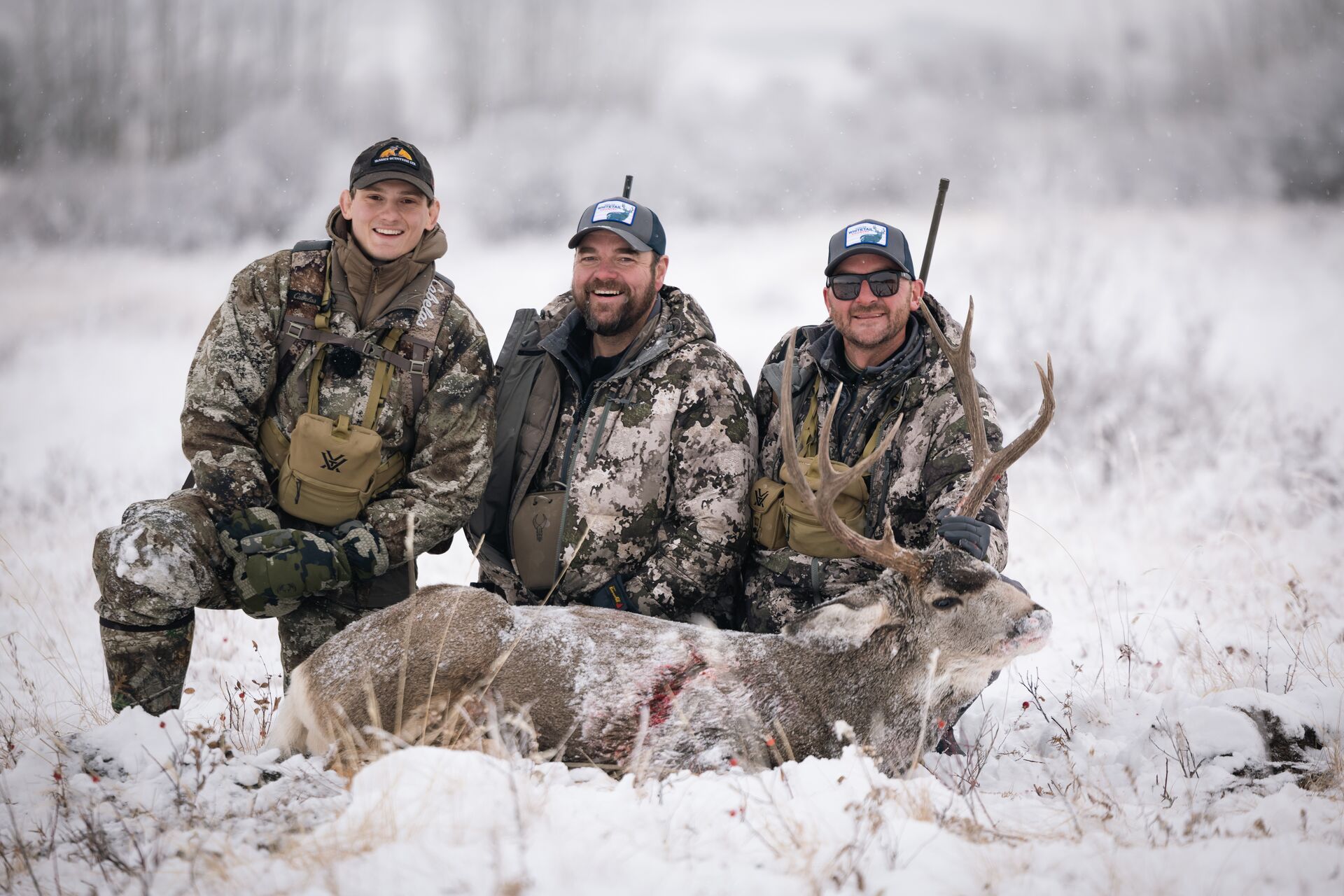
Keep your game face on as the late season passes and the cold weather sets in. With these twelve tips and strategies, don't let that cold keep you from taking a late-season whitetail. Prepare for the weather, and you will be rewarded with a successful late-season whitetail hunting experience.
In this post, we discussed different types of gear. If you're looking to upgrade your cold-weather hunting gear (or replace gear you've used for several seasons), remember that HuntWise subscribers can save hundreds on cold-weather pants, rain gear, hats, and more from our partners. We partner with many brands we use and trust in the field, then help you save money on the gear you need to tag out each season.
Take advantage of the savings as you prepare for a winter hunt this season.
Download HuntWise and plan your late-season whitetail hunt free during your first week in the app!
Previous in Deer
More Content Like This
The Guide To Deer Hunting Season NY 2025
Forget Times Square, MSG, or the Brooklyn Bridge; the user-friendly tagging system, carefully managed deer zones, and healthy harvest numbers draw big numbers (of hunters) local and out-of-state to The Big Apple State. Read More
Read More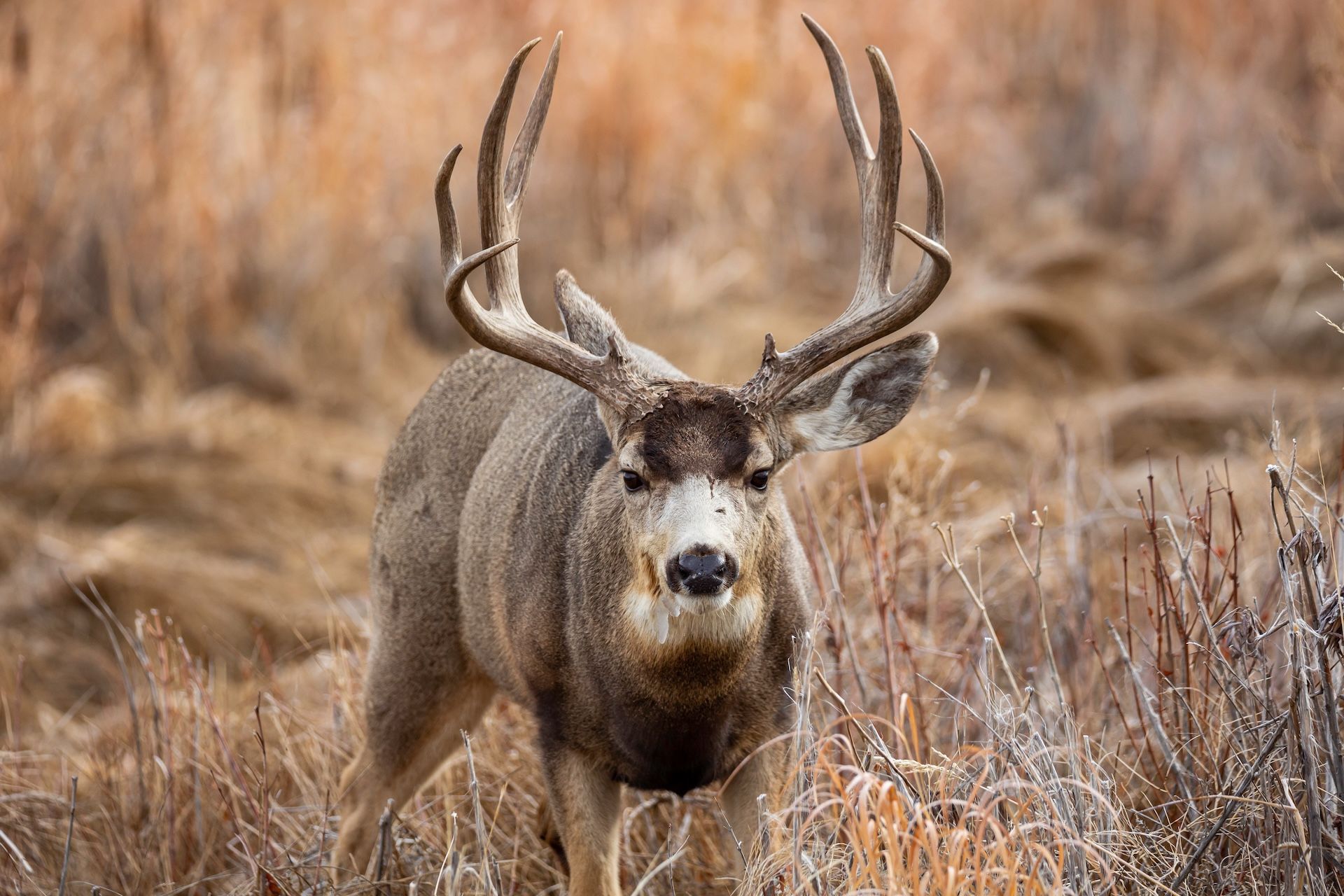
Why Are Mule Deer Called Mule Deer?
If you’ve ever glassed a high country meadow or sagebrush flat in the desert as the sun slips below the ridgeline above, chances are you may have spotted an icon of the American West: the mule deer. Read More
Read More
Indiana Deer Season: Everything You Need to Know About It
Trophy potential and a substantial deer population make Indiana a prime destination for hunters looking to take home a big whitetail in Hoosier. Read More
Read More- Deer
The Guide To Deer Hunting Season NY 2025
Forget Times Square, MSG, or the Brooklyn Bridge; the user-friendly tagging system, carefully managed deer zones, and healthy harvest numbers draw big numbers (of hunters) local and out-of-state to The Big Apple State. Read More
Read More - Deer
Why Are Mule Deer Called Mule Deer?
If you’ve ever glassed a high country meadow or sagebrush flat in the desert as the sun slips below the ridgeline above, chances are you may have spotted an icon of the American West: the mule deer. Read More
Read More - Deer
Indiana Deer Season: Everything You Need to Know About It
Trophy potential and a substantial deer population make Indiana a prime destination for hunters looking to take home a big whitetail in Hoosier. Read More
Read More
1 of 3